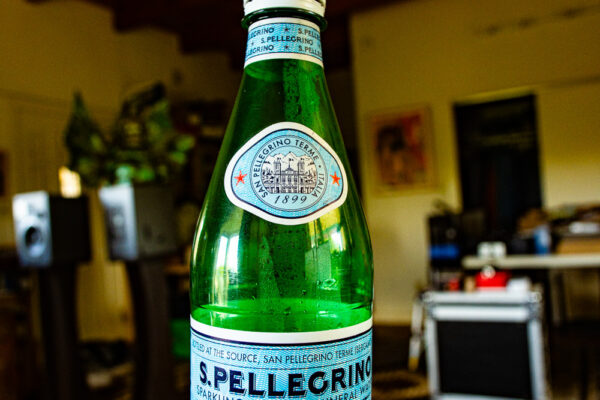


Schneider-Kreuznach for Rollei 6008 on Sony A7RV – 180mm f/2.8, 80mm f/2.8, and 50mm f/4 Wide Open
There is a question that every photographer who adapts vintage glass eventually asks: how far can you push it?
Not how far can you push the focal length, or the aperture, or the format. How far can you push the gap between the era the lens was designed for and the sensor you are putting behind it today.
The Schneider-Kreuznach Tele-Xenar 180mm f/2.8 HFT was built in Germany for the Rollei 6008 medium format system. It was designed to resolve detail on 6×6 centimeter film, which at fine grain equates to roughly 100 to 150 megapixels of information. It was built to cover an image circle nearly three times the area of a 35mm frame.
The Sony A7RV is a 61-megapixel full frame camera. It is one of the most demanding sensors ever manufactured for adapted glass. It punishes soft lenses, exposes weak coatings, and reveals chromatic aberration that you could never see on film.
So what happens when you mount a 1980s German medium format telephoto on a 2023 Japanese mirrorless body and shoot it wide open at f/2.8 from across the room?
You get images that answer the question before you finish asking it.
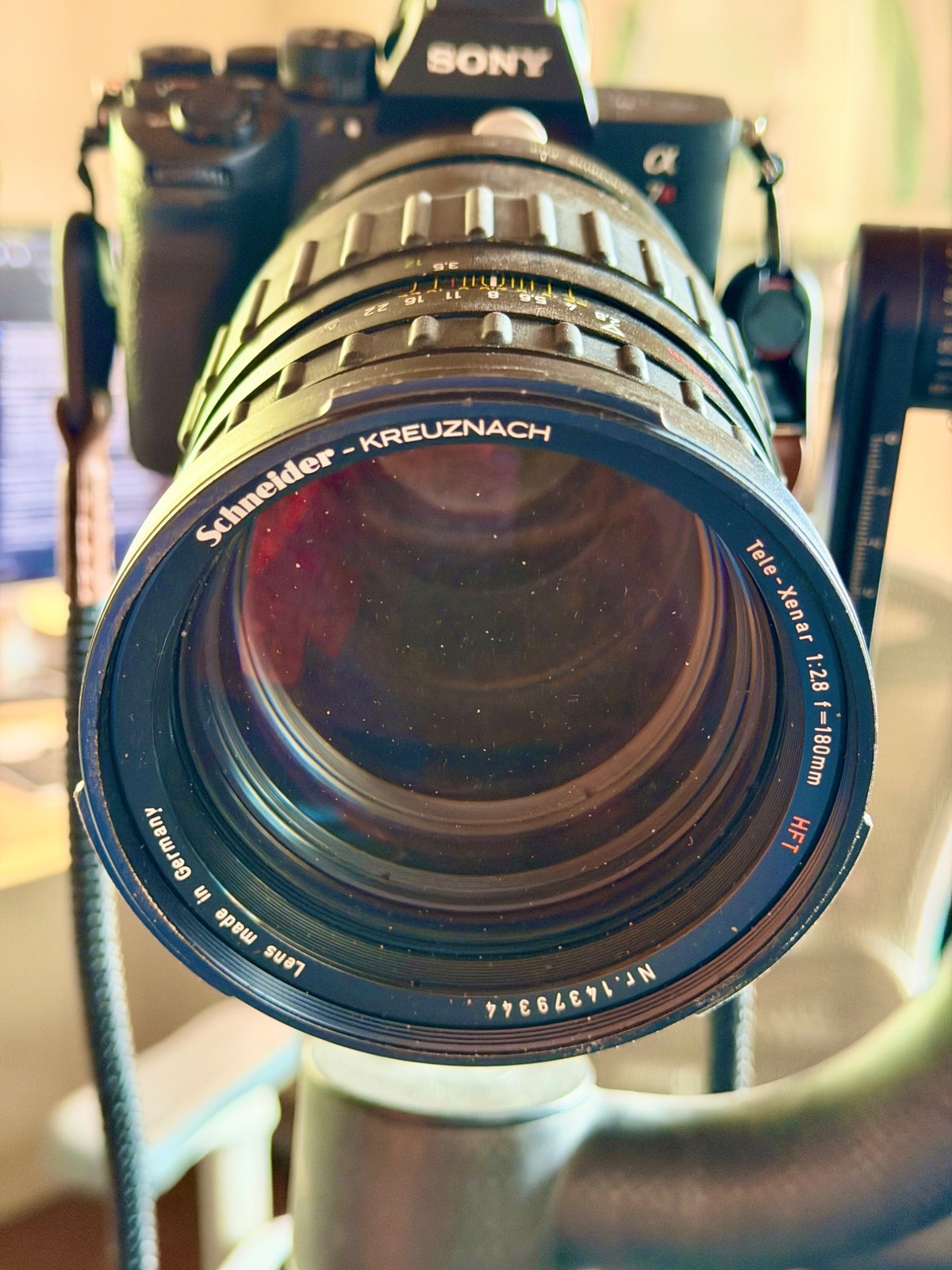
The Test
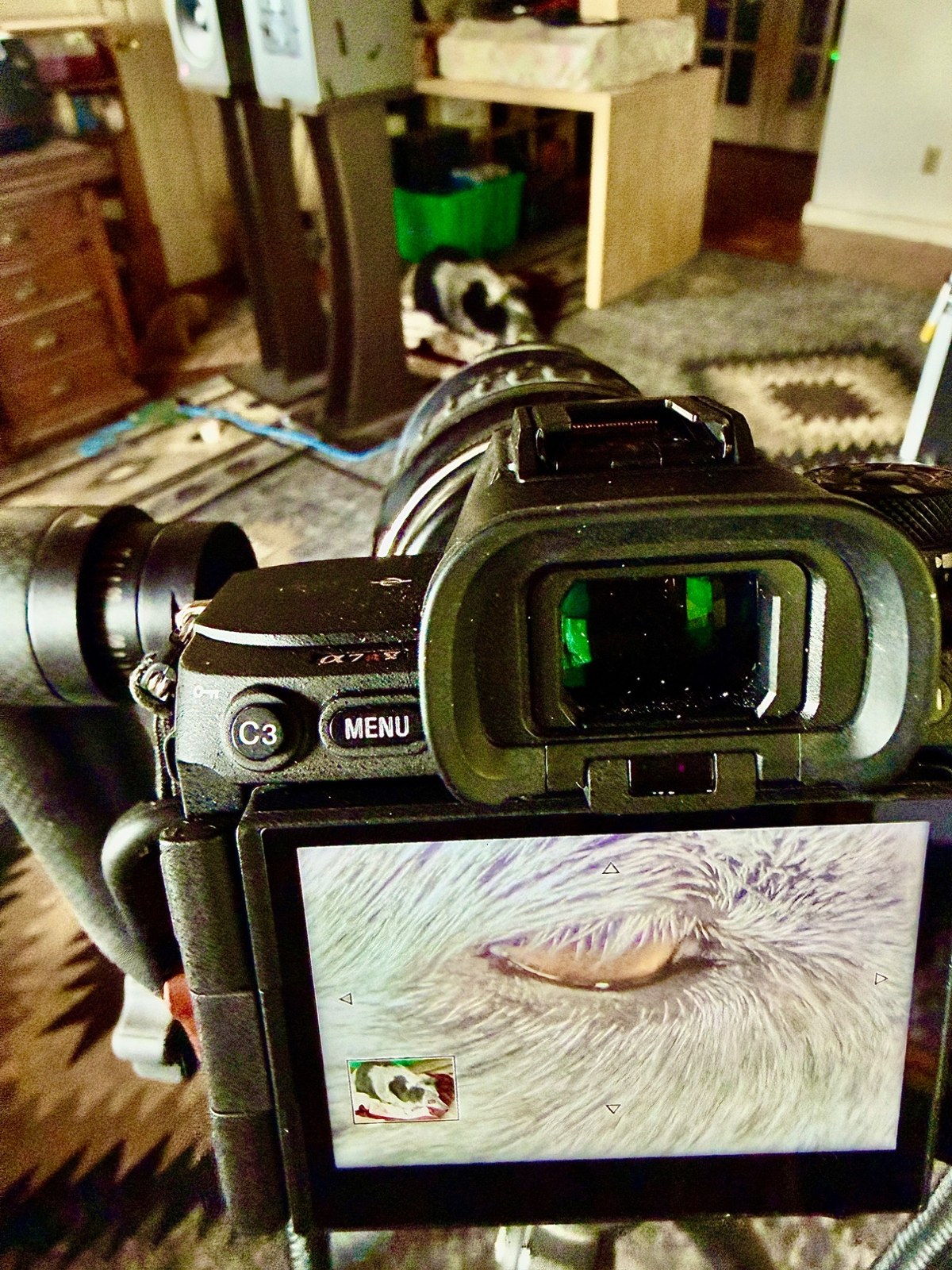
The subject is a sleeping Australian Shepherd, curled up on a plaid blanket on the floor. The camera is across the room on a tripod, roughly 12 to 15 feet away. The lens is set to f/2.8, wide open, maximum aperture, no safety net.
At 180mm and f/2.8, depth of field is measured in inches. Whatever is on the focus plane is either sharp or it is not. There is no hiding behind f/8.
I focused on the eye.
The Results
The close crop tells the story. Individual hairs around the eye are fully resolved.
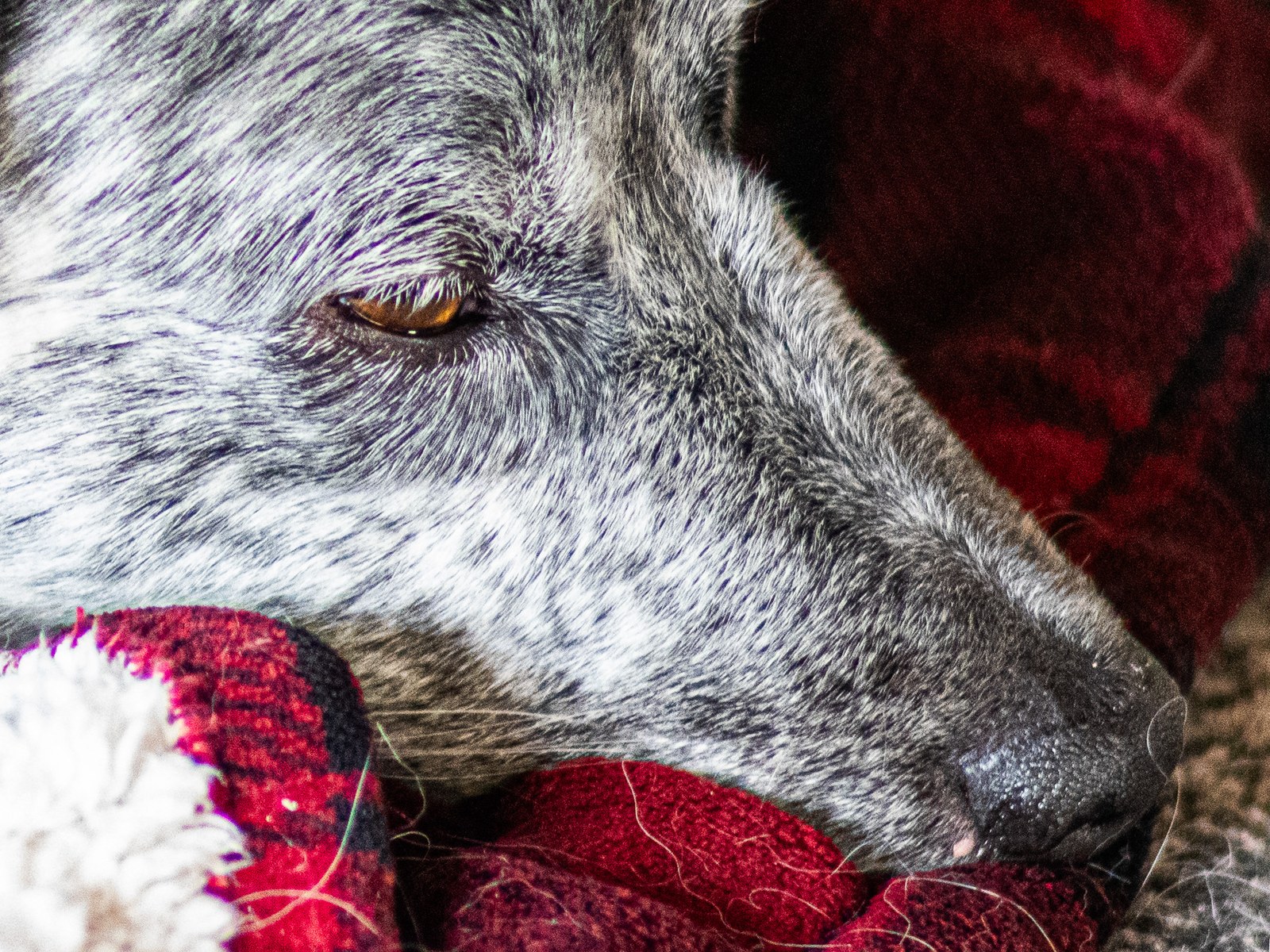
The amber reflection in the eye is tack sharp, with the catchlight showing clean specular detail. The nose leather texture is rendered with full dimensionality. The transition from the in-focus plane to the out-of-focus areas is smooth, gradual, and three-dimensional in a way that smaller-format lenses rarely achieve.
This is medium format rendering on a full frame sensor. You are seeing only the center of the lens’s image circle, the sharpest part of its coverage area, projected onto 61 megapixels that demand absolute optical precision.
The lens delivers.
HFT Coating
Schneider-Kreuznach’s HFT (High Fidelity Transfer) coating was Rollei’s proprietary multi-coating formula, applied to lenses across several manufacturers (Schneider, Zeiss, and others) for the Rollei system. It was engineered to maximize light transmission while minimizing flare and ghosting.
In this test, shot in mixed ambient interior light with a warm tungsten cast, the HFT coating produces clean contrast without harshness. Color fidelity is natural. There is no visible chromatic aberration at the focus plane, even at the high-contrast boundary between white fur and dark plaid blanket. At 61 megapixels, chromatic aberration hides from nothing. If it were there, you would see it.
It is not there.
Medium Format Character
Why bother adapting a medium format lens to full frame when modern native lenses are sharper by the numbers?
Because the numbers do not tell you what the image looks like.
Medium format glass renders with a quality that is difficult to describe and impossible to fake. The depth of field falloff is not a binary wall between sharp and blurred. It is a gradient, a transition that gives the image a sense of depth that two-dimensional capture usually flattens. The background does not disappear. It recedes. Objects behind the subject are still recognizable but softened in a way that feels natural, the way your eye actually perceives a scene.
The Tele-Xenar does this at f/2.8 in a way that makes you stop pixel-peeping and start looking at the photograph.
Practical Considerations
This is not a lens for everyone.
At 180mm and f/2.8 on a medium format barrel, it is large and heavy. There is no autofocus, no image stabilization, and no electronic aperture control. You need an adapter. You need a tripod or very steady hands. You need enough room between you and your subject to fill the frame at 180mm.
The Rollei 6000 mount uses an electronic aperture system, which means the lens has no aperture ring. Your adapter solution determines how you control aperture. Some adapters offer a manual aperture mechanism. Others lock the lens wide open. Research your adapter before you buy the lens.
If you can work within those constraints, the optical reward is extraordinary.
Verdict
The Schneider-Kreuznach Tele-Xenar 180mm f/2.8 HFT is a lens that was overbuilt for a camera system that no longer exists, and that overbuilding is exactly why it thrives on modern sensors. It was designed to resolve more detail than 6×6 film could capture, and that headroom translates directly to the 61-megapixel Sony A7RV.
Wide open. Across the room. On the most demanding sensor I own.
Sharp.
The glass does not care what decade it is. Good optics are good optics. The Schneider-Kreuznach Tele-Xenar 180mm f/2.8 HFT is very good optics.
And it fills the gap past 100mm in my kit that has been empty for far too long.
The Rest of the System: 80mm f/2.8 and 50mm f/4
In the interest of fair and unbiased reporting, this reviewer also owns the Rollei Schneider 80mm f/2.8 and the 50mm f/4. Both shot wide open. Both every bit as sharp as the 180mm.
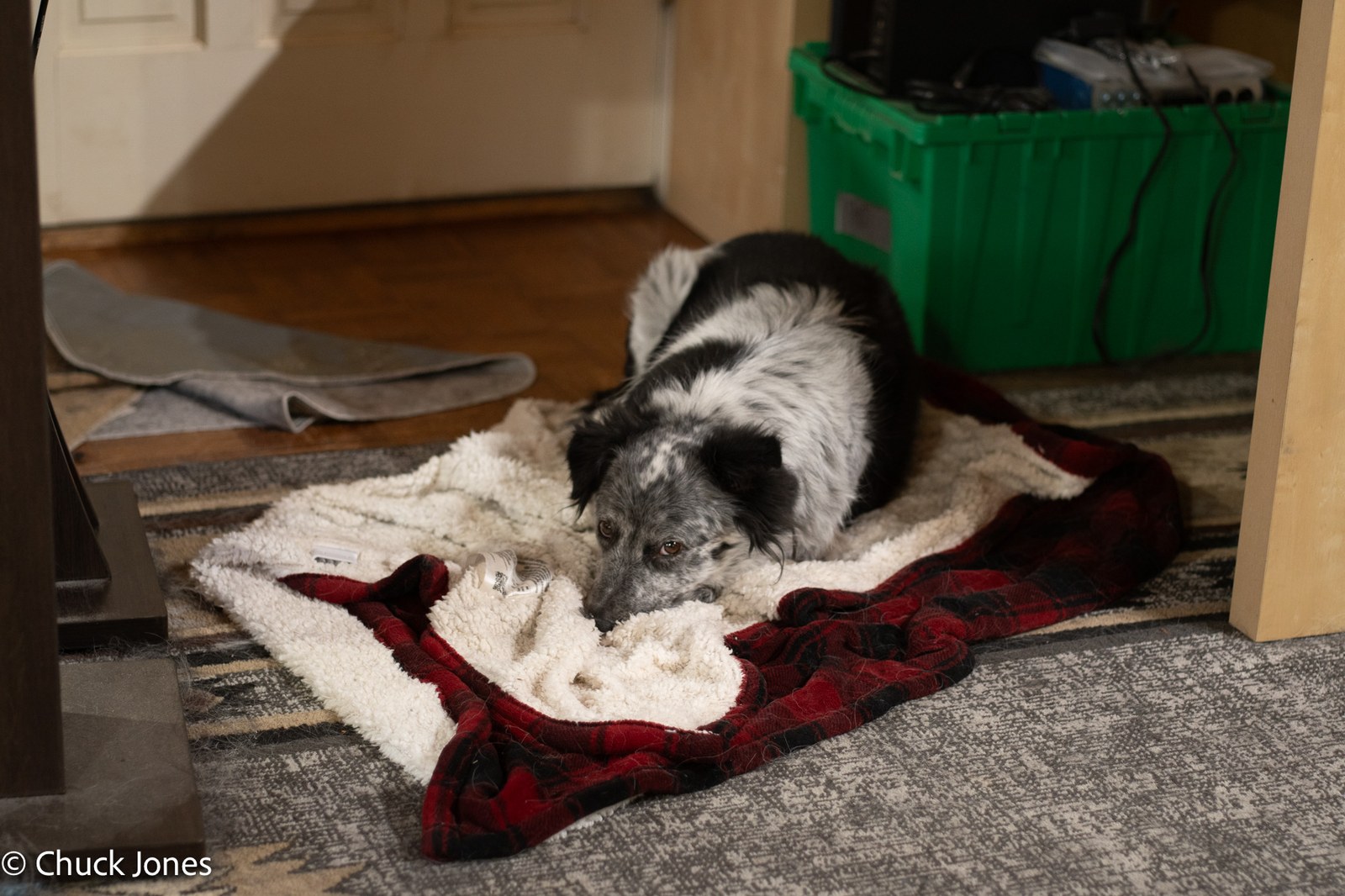
The 80mm at f/2.8 gives you the full context of the scene. Look at the blanket texture, the fur detail, the way the depth of field falls off naturally through the room. This is not a lens fighting its aperture. This is a lens that was built to shoot wide open and deliver.
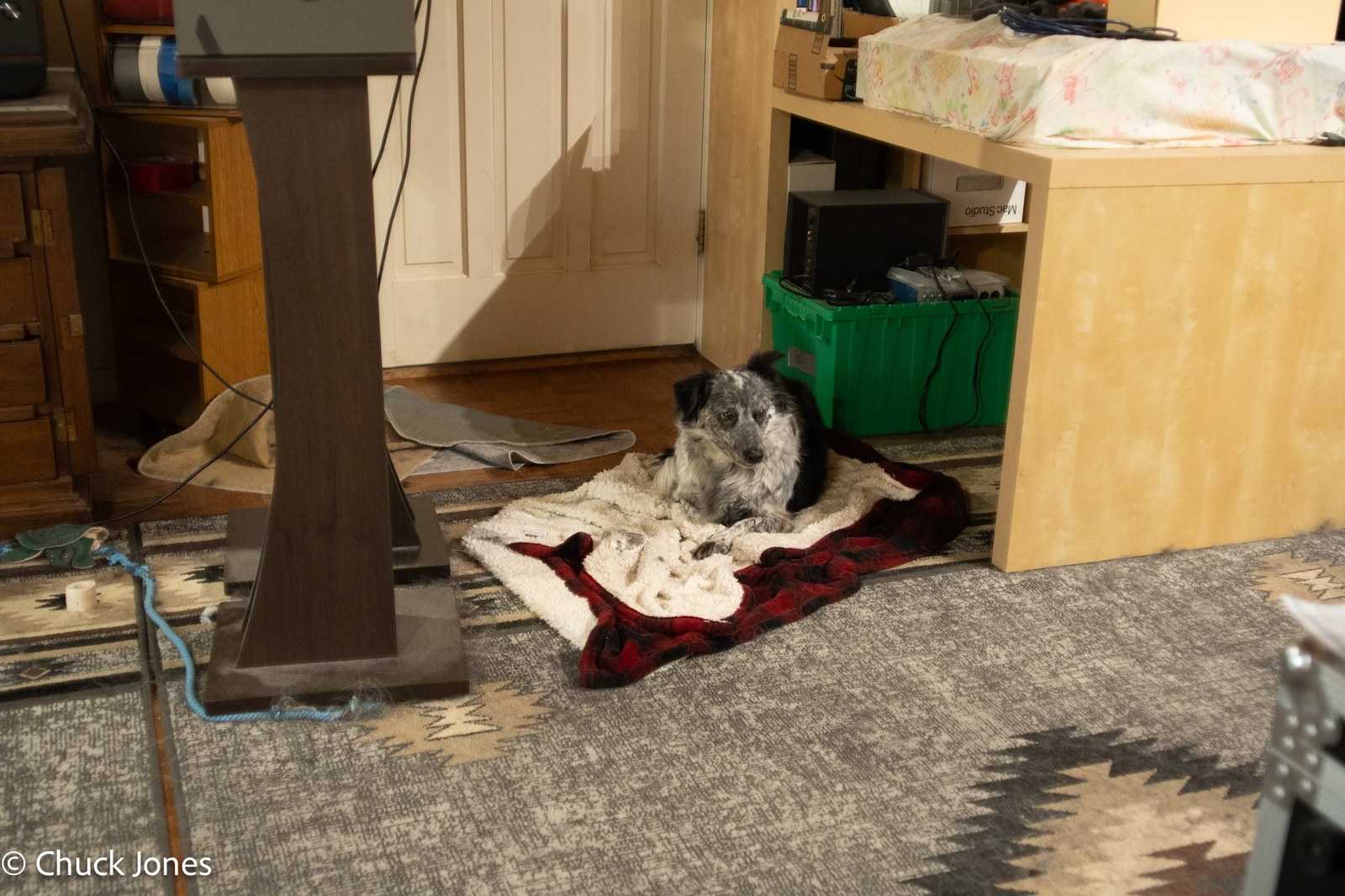
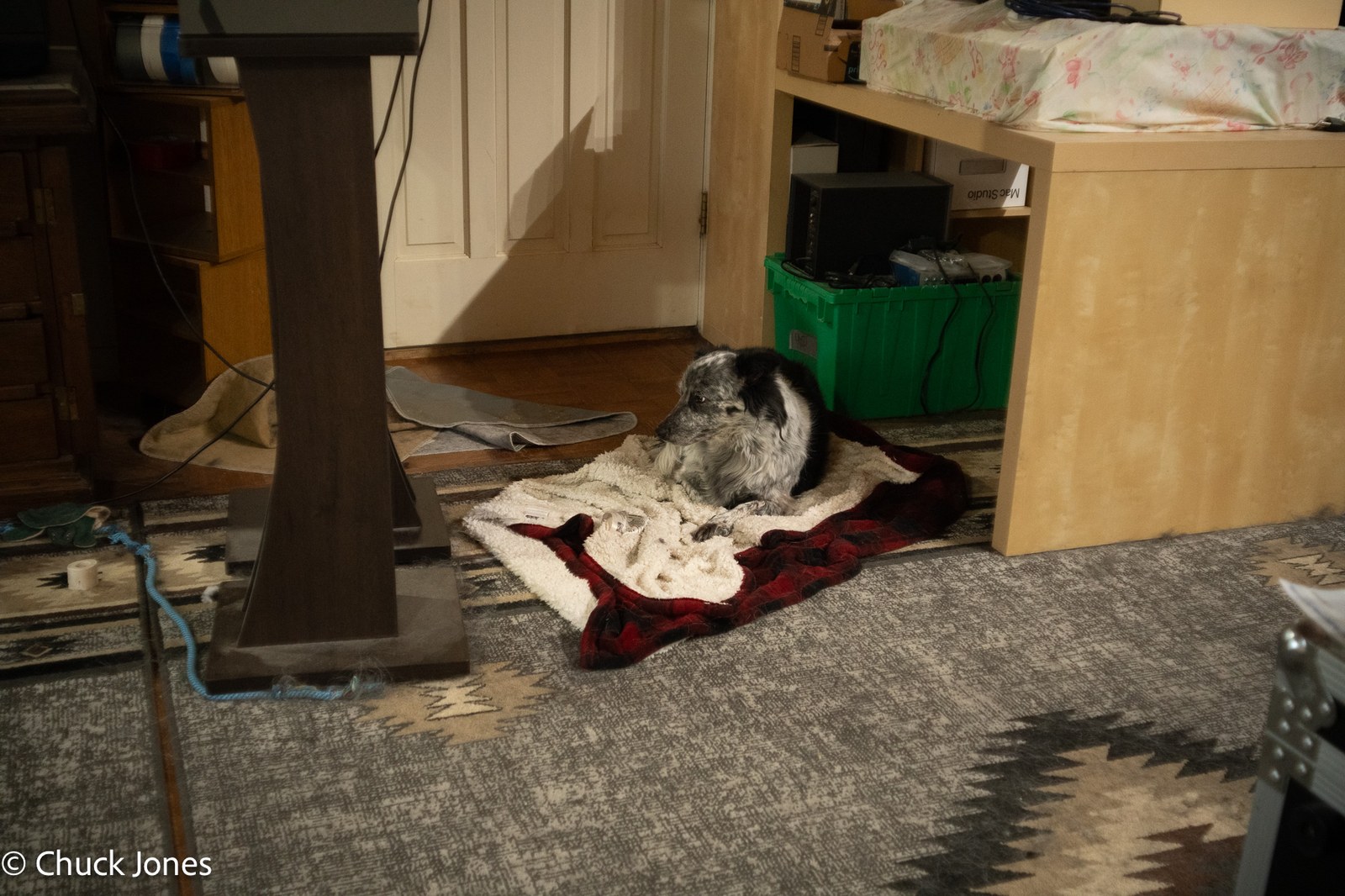
The 50mm f/4 pulls back further and shows the working environment. Even at this wider field of view, the micro-contrast is extraordinary. Zoom into any of these images and look at the texture rendering on the rug, the blanket, the fur. These lenses draw with a signature that modern autofocus glass simply does not replicate. The transitions are organic. The contrast is three-dimensional. The rendering has depth.
This is some of the best glass ever made for any camera system. The Schneider-Kreuznach lenses built for the Rollei 6000 series represent a pinnacle of German optical engineering that happened to arrive at the end of medium format film’s commercial dominance. The camera system died. The optics did not.
Adapt them. Shoot them. Judge for yourself.
Find Schneider-Kreuznach Lenses at KEH Camera
Graded used copies with 180-day warranty.
Browse Schneider-Kreuznach at KEH
TheCameraForum.com is an affiliate partner. We earn a small commission at no cost to you.